
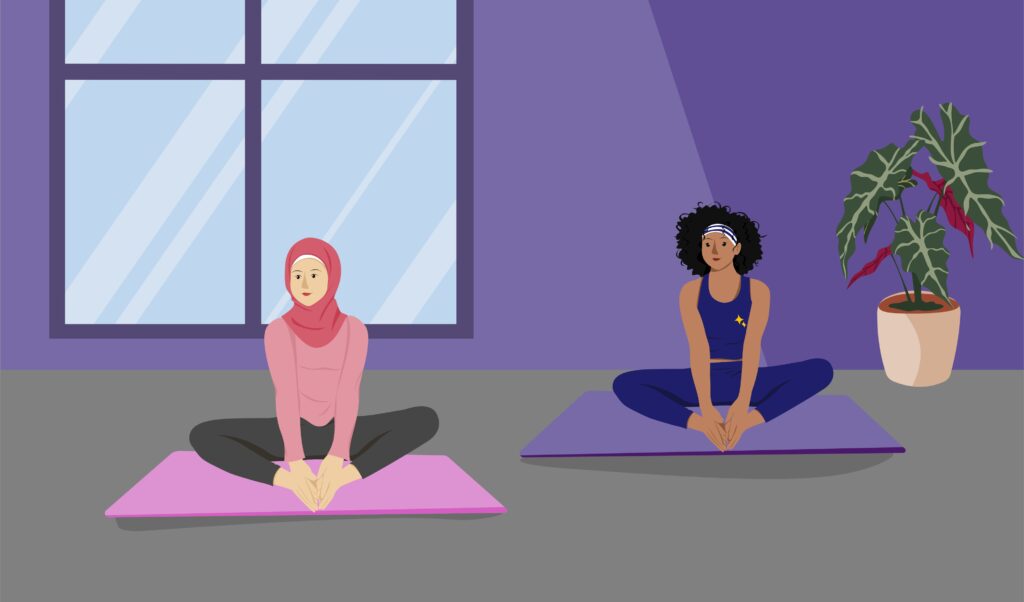
Trauma can shake the very core of how we experience ourselves. It may cause us to question our instincts, ignore our needs, or disconnect from our own body and choices. Rebuilding trust after trauma isn’t a one-time event—it’s a gentle, ongoing practice of returning to yourself with compassion.
What It Means to Trust Yourself Again
Self-trust is the belief that your emotions are valid, your boundaries matter, and your body knows what it needs. After trauma, these internal signals often become distorted or overridden by survival patterns like people-pleasing, numbing, or self-doubt.
Rebuilding trust means reconnecting with your internal cues—whether it’s recognizing when you’re overwhelmed, honoring your “no,” or celebrating your small wins. It’s learning to feel safe inside your own skin again.
As one Safe Space Yoga participant shared:
“I feel tranquil and more together with myself.”
That moment of connection is more than physical—it’s a reclaiming of trust in the body’s wisdom.
Why Trauma Disrupts Self-Trust
The National Child Traumatic Stress Network (NCTSN) explains that trauma can alter brain-body patterns that govern our sense of safety. It doesn’t just create fear of the outside world, it fractures our internal sense of safety. When boundaries have been crossed, needs ignored, or voices silenced, we may learn to mistrust our gut instincts or suppress our emotions.
Without self-trust, it’s difficult to make empowered choices or feel grounded in daily life. That’s why trauma recovery must include not just external safety, but internal restoration.
How Safe Space Yoga Helps Rebuild Trust
At Vikara Village®, Safe Space Yoga provides opportunities for participants to explore their bodies, breath, and boundaries at their own pace. Through trauma-informed yoga and mindfulness, participants begin to rebuild a relationship with themselves. One that is rooted in autonomy and care.
We build this trust by:
- Inviting participation, not requiring it, so people learn to honor their own limits
- Offering choices, such as resting, modifying, or skipping a pose
- Encouraging body awareness without judgment or correction
- Celebrating presence over performance, allowing growth without pressure
One participant told us, “I almost gave up, but I stuck with it.” That’s the power of a space that supports healing.
Who This Supports
While all people benefit from self-trust, this kind of support is especially important for:
- Survivors of interpersonal or systemic trauma
- Those recovering from chronic stress, burnout, or toxic environments
- Individuals with anxiety or depression
- People who’ve been told their feelings were “too much” or “not valid”
- Neurodivergent individuals managing sensory overload or emotional dysregulation
Everyday Practices to Rebuild Trust in Yourself
Even outside a yoga space, you can begin restoring self-trust through small, intentional acts:
- Pause and check in with how you feel before making a decision
- Validate your experience, even when it’s uncomfortable (You can try this self-compassion practice)
- Set boundaries and then hold them with care
- Celebrate your follow-through, no matter how small
Join Us on the Journey
At Vikara Village®, we believe that healing starts from within. Through Safe Space Yoga, you’re invited to reconnect with your body, rediscover your inner wisdom, and rebuild trust in yourself—gently, at your own pace.
Whether you’re navigating stress, trauma, or simply seeking a space to breathe and be, you’re welcome here. Ready to take the next step in your healing journey? Reach out to us—we’d love to walk alongside you.